Wet Units
What Are Prefabricated Wet Units?
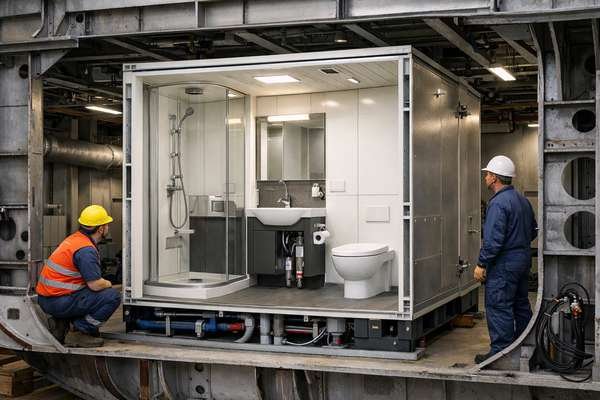
Ship interior outfitting often faces tight schedules and high labor costs. You might wonder how to speed up cabin construction without losing quality. Prefabricated wet units are the answer.

Ship interior outfitting often faces tight schedules and high labor costs. You might wonder how to speed up cabin construction without losing quality. Prefabricated wet units are the answer.
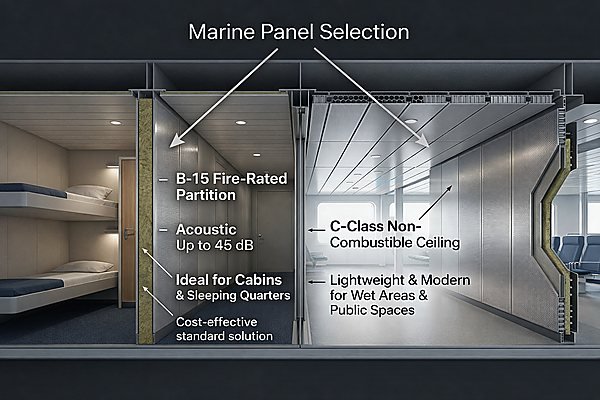
Choosing the right interior panel material is often the hardest part of marine outfitting, as it forces you to balance strict safety rules with budget constraints. You have to weigh the high fire resistance and acoustic performance of rock wool against the lightweight structural strength of aluminum honeycomb.
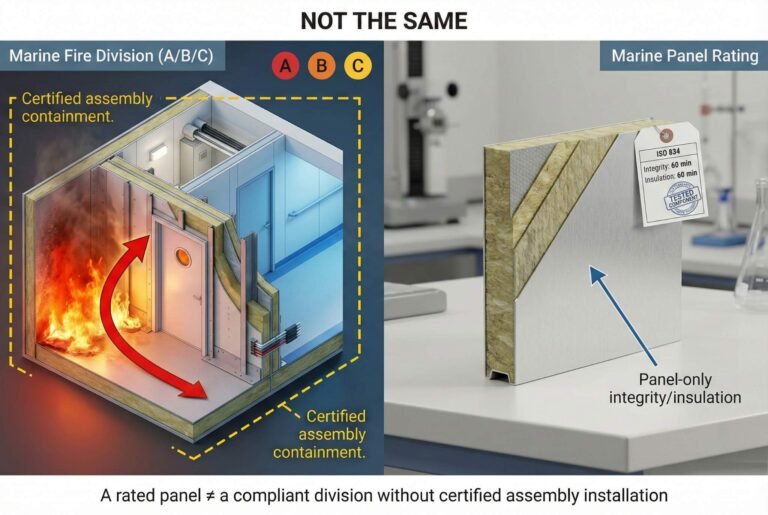
Confusion between individual panel ratings and total division compliance causes costly rework in shipyards daily. Are you risking project approval by treating them as identical?
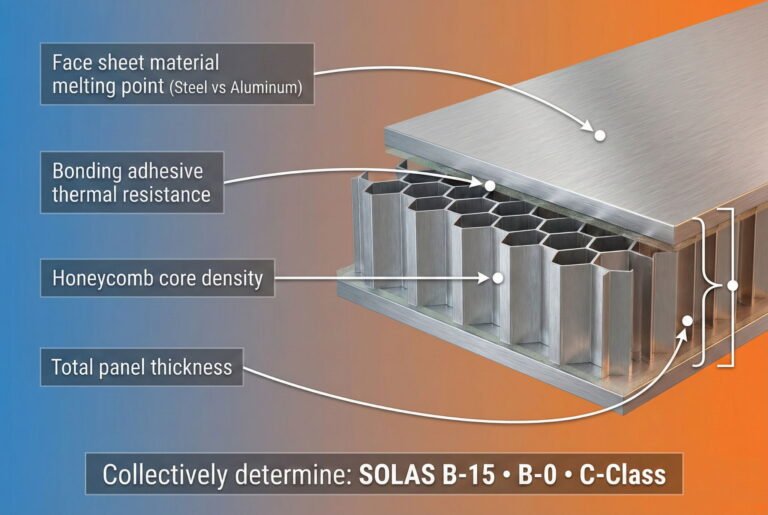
Failing a fire inspection because of a cheap panel specification causes massive project delays. You need to know exactly what technical factors change the fire rating to avoid rejection.
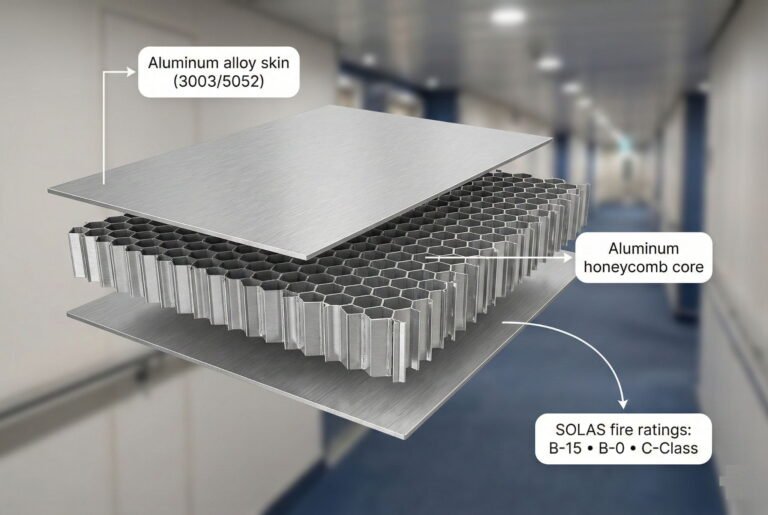
Shipbuilders often struggle with heavy, outdated interior materials that increase fuel consumption and slow down installation. Continuing to rely on traditional rockwool or steel panels adds unnecessary deadweight to your vessel, leading to higher operational costs and lower efficiency over time. Marine aluminum honeycomb panels solve this by offering a lightweight, rigid, and fire-compliant solution that drastically reduces weight without sacrificing structural integrity.
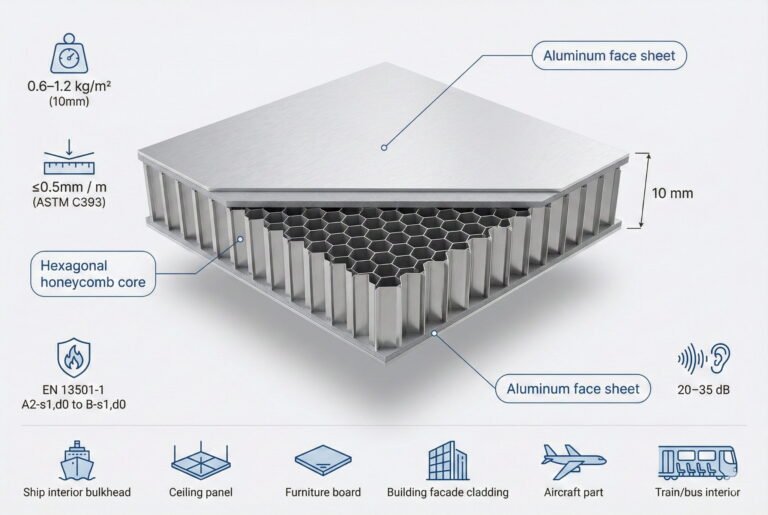
When I first encountered aluminum honeycomb panels in shipbuilding projects, I struggled to understand why they cost more than traditional materials. The procurement team kept questioning whether these panels could really justify their premium price tag.

Marine wall panels deteriorate faster than expected when exposed to saltwater, humidity, and constant vibration. Many ship operators face premature corrosion and delamination.
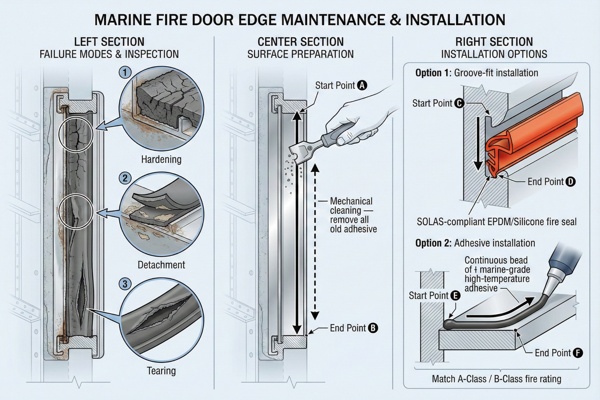
Marine fire door seals are small components that cause massive headaches during project handovers if they fail.
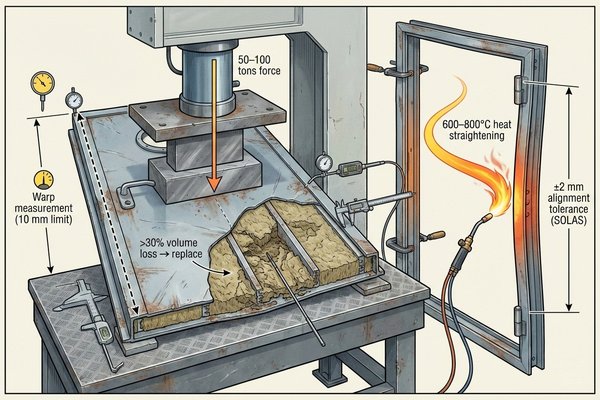
A warped marine fire door isn’t just an eyesight problem—it compromises watertight integrity, fails fire safety inspections, and puts crew lives at risk during emergencies.
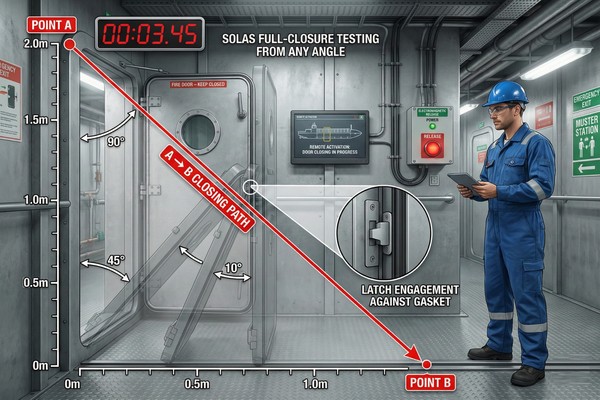
You have likely faced the nightmare of importing marine doors from Asia only to have them fail final inspection in Europe because the closing action was not smooth. Ensuring the mechanism works perfectly is the only way to protect your profit margin and avoid costly replacements.